Introduction: Exploring Tier-2 Markets in Affiliate Marketing
Not long ago, in our blog, we explored the lucrative realm of tier-1 countries in affiliate marketing. Building on that knowledge, we now turn our focus to the often-overlooked yet equally promising tier-2 countries. These markets, characterized by their developing economies and rapidly growing digital infrastructures, present unique opportunities and challenges for affiliate marketers.
Definition and Characteristics of Tier-2 Countries
Tier-2 countries in affiliate marketing typically include nations with emerging or rapidly developing economies. They often have growing internet penetration rates and an increasing appetite for digital consumption, but may not have the same level of market saturation or competition as tier-1 countries. Understanding these markets’ dynamics is key to leveraging the untapped potential they offer.
Advantages of Targeting Tier-2 Markets
Expanding into tier-2 markets can be a strategic move for affiliate marketers looking to diversify their reach and tap into new customer bases. These markets often exhibit less competition and lower advertising costs, coupled with a growing, engaged online audience. For affiliates willing to navigate the nuances of these markets, the rewards can be substantial in terms of audience reach and profitability.
Understanding Tier-2 Countries
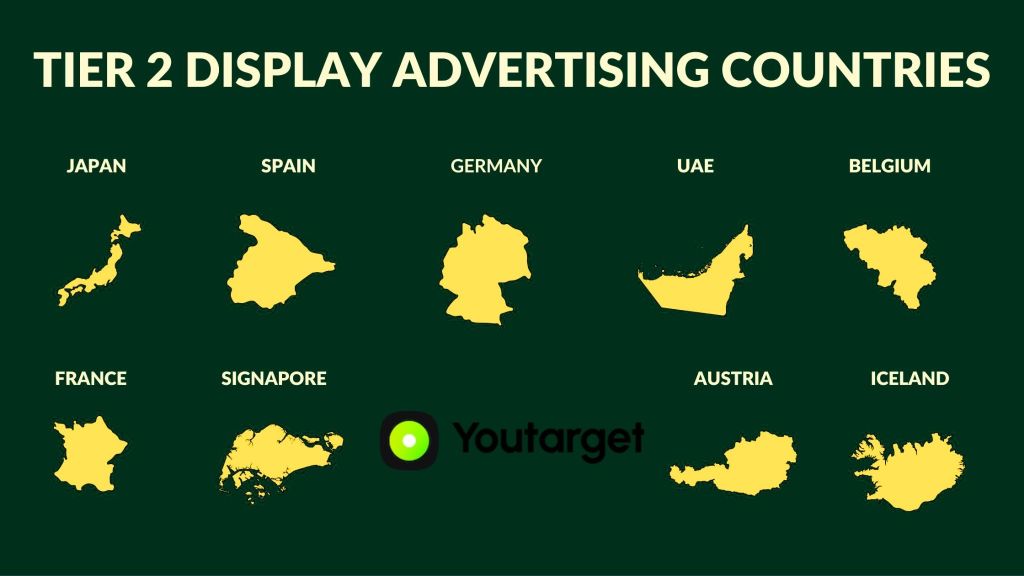
In-depth knowledge of the demographics, consumer behavior, and digital landscape in tier-2 countries is crucial for effective affiliate marketing. These markets often have diverse cultures and varying degrees of digital access, which can significantly influence consumer behavior and online shopping habits.
Demographics and Consumer Behavior
A deep dive into the demographic makeup and consumer behavior in tier-2 countries reveals a diverse audience, often younger and more open to online shopping. Understanding these aspects helps in tailoring affiliate marketing strategies to resonate with the local audience.
Economic Outlook and Digital Penetration
While tier-2 countries may not have the economic strength of their tier-1 counterparts, many are experiencing rapid growth in digital infrastructure. This expansion presents a burgeoning opportunity for digital marketers. High mobile penetration rates and an increasing shift towards e-commerce are key trends shaping these markets.
Identifying Profitable Niches in Tier-2 Markets
To successfully penetrate tier-2 markets, identifying niches with high demand and low competition is vital. This requires thorough market research and an understanding of local needs and preferences.
Researching Market Demand
Effective research methods include analyzing local search trends, studying market reports, and observing social media behavior. This research helps in pinpointing niches that are popular yet underserved in these markets.
Case Studies of Successful Niches
Examining case studies of successful affiliate marketing initiatives in tier-2 countries can provide valuable insights. For instance, certain tech gadgets or health and wellness products might have found a unique foothold in these markets, offering a blueprint for similar success.
Strategies for Effective Marketing in Tier-2 Markets
Cultural Sensitivity and Localization
When marketing in tier-2 countries, it’s crucial to approach with cultural sensitivity and a deep understanding of local customs. This means localizing content, adapting marketing messages to resonate with local values, and even adjusting campaign imagery to reflect local demographics. Such customization not only enhances relevance but also builds trust with the target audience.

Digital Marketing Channels and Tactics
Different tier-2 countries may have varying preferences for digital channels. Some markets might be more responsive to social media campaigns, while others may rely more on email marketing or influencer partnerships. Identifying the most effective channels requires careful analysis of media consumption patterns in each market. Employing a mix of SEO, content marketing, and targeted ads can also be effective tactics in these regions.
Challenges and Solutions
Overcoming Language Barriers
Language diversity in tier-2 countries can pose a significant challenge. Employing translation services or hiring local marketing experts can be effective ways to ensure your message is accurately conveyed. Additionally, creating content in English and the local language can broaden your campaign’s reach.
Navigating Regulatory and Payment Challenges
Understanding the regulatory landscape and payment infrastructure is crucial. This might involve compliance with local advertising laws and adapting to preferred payment methods in these markets. Staying informed and flexible can help navigate these challenges effectively.
Building Partnerships and Networks
Collaborating with Local Affiliates and Influencers
Building relationships with local affiliates and influencers can be a powerful way to gain market insights and enhance credibility. These partnerships can provide valuable local knowledge and help tailor your approach to better suit the audience.

Leveraging Affiliate Networks and Platforms
Utilizing established affiliate networks and platforms that have a presence in tier-2 countries can simplify the process of finding relevant programs and offers. These networks often provide tools and resources that can assist in navigating these new markets.
Conclusion: The Potential of Tier-2 Countries
Tier-2 countries offer a world of opportunity for affiliate marketers willing to explore beyond the saturated markets of more developed economies. By understanding these markets, adapting strategies to meet local needs, and building strong partnerships, affiliate marketers can tap into the immense potential of these emerging economies.
Looking forward, staying adaptable and responsive to market trends will be key. As digital penetration continues to grow in these regions, so too does the opportunity for innovative and successful affiliate marketing strategies. Tier-2 countries are not just an expansion of reach; they are gateways to diverse and lucrative markets waiting to be explored.